Quick Answer
Aluminum 6061 is often the safer default for general CNC machined parts because it is easier to machine, easier to source, more cost-effective and works well with anodizing. Aluminum 7075 is usually selected when the part needs higher strength, stiffness or performance under load.
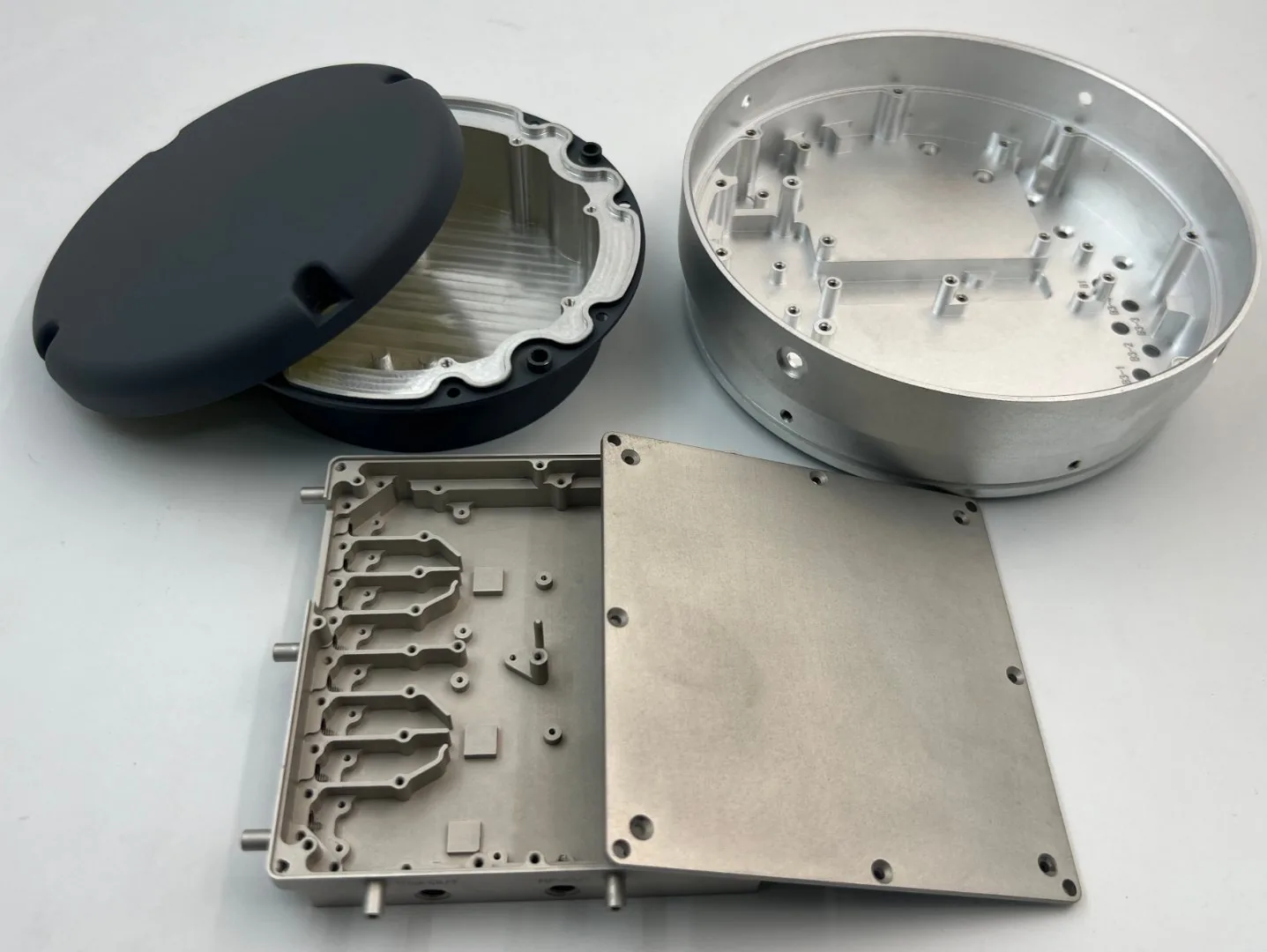
- Choose 6061 for housings, brackets, enclosures, heat sinks and general industrial parts.
- Choose 7075 for high-strength components, aerospace prototypes and load-bearing structures.
- Confirm final choice with geometry, tolerance, finish, quantity and application requirements.
6061 vs 7075 Comparison Table
When to Use Aluminum 6061
Aluminum 6061 is a practical choice for many CNC milling projects. It provides a useful mix of machinability, strength, corrosion resistance and finishing flexibility. For sourcing teams, it is also easier to manage in prototype and low-volume production.
- RF and communication equipment housings
- Electronic enclosures and mounting plates
- Heat sinks and thermal management parts
- Robotics brackets, fixtures and automation components
- Prototype parts that may require design iteration
When to Use Aluminum 7075
Aluminum 7075 is typically chosen when the design needs higher strength or stiffness. It can be a strong option for aerospace prototypes, high-load brackets, structural components and compact parts where material performance is more important than cost.
For 7075 projects, JADMAKE recommends confirming tolerance, surface treatment, inspection method and material certificate requirements before production.
CNC Machining Considerations
Material selection should be reviewed together with part geometry. Thin walls, deep pockets, tight flatness, sharp internal corners and cosmetic surfaces can affect tool path strategy, workholding, inspection and finishing.
- Avoid unnecessary tight tolerances on non-critical features.
- Specify cosmetic and functional surface requirements separately.
- Mark datum and critical-to-function dimensions clearly on drawings.
- Send 3D CAD plus 2D drawings when tolerances, threads or finishes matter.
How JADMAKE Can Help
JADMAKE can review your CAD files, material requirements, tolerance notes and surface finishing expectations before quotation. For overseas buyers, this engineering review helps reduce sourcing risk before prototypes or low-volume production begin.
- DFM review before quotation
- Prototype and low-volume CNC milling support
- Aluminum machining, anodizing, inspection and packaging coordination
- Inspection reports and certificates according to project requirements