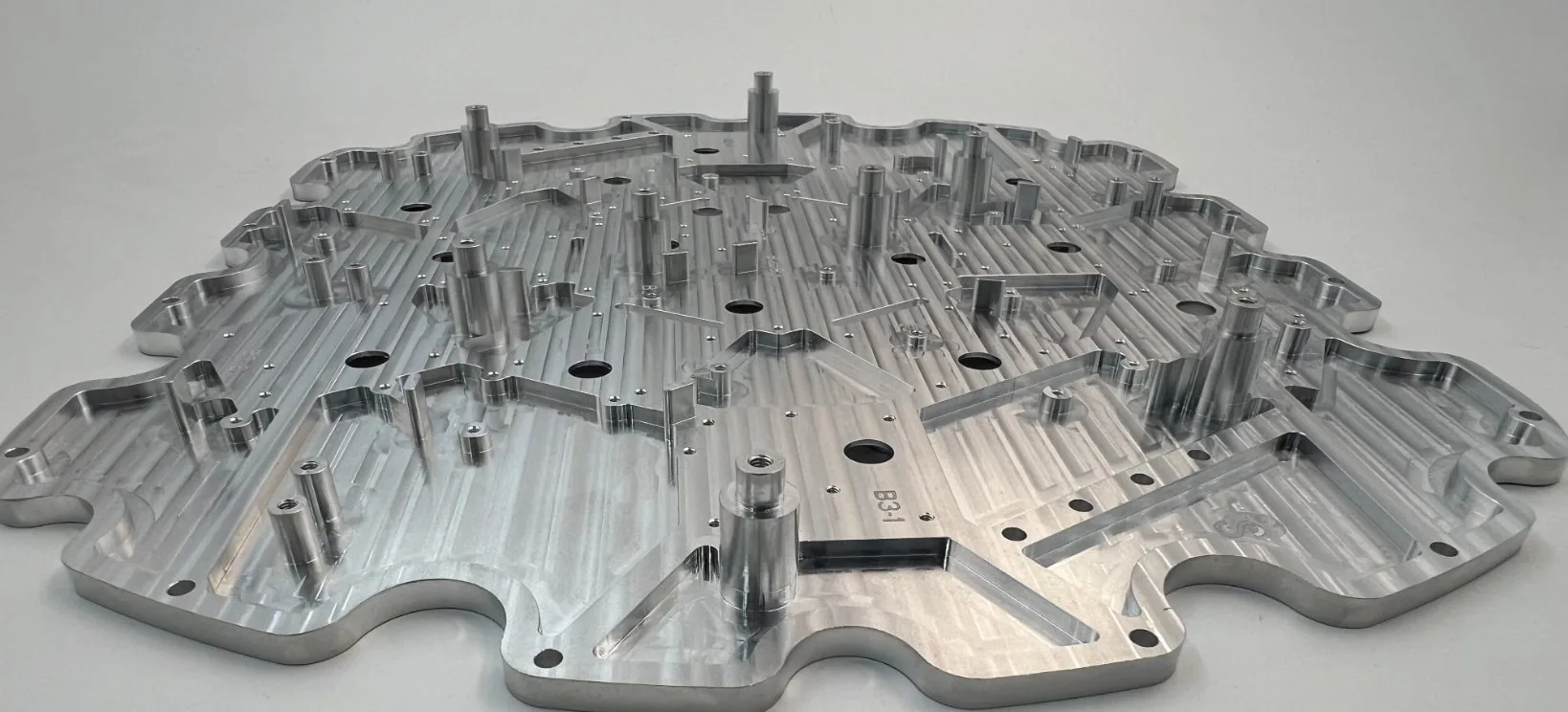
Aluminum
Lightweight, machinable and suitable for anodizing.
- Typical applications
- Housings, brackets, heat sinks, fixtures and electronics parts.
- Common grades
- 6061, 6082, 7075 and project-specified alloys
 24 Hours Quote
Choose CNC machining materials by function, tolerance needs, finishing requirements and production quantity. JADMAKE reviews drawings, CAD files and material notes before quotation so the material plan matches the machining process.
The best material is not only the strongest or cheapest option. Buyers should balance machinability, strength, corrosion resistance, surface finishing, tolerance stability and supply availability.
Lightweight, machinable and suitable for anodizing.
Corrosion resistance with higher machining force than aluminum.
Good strength, wear resistance and heat treatment options.
Electrical conductivity, thermal conductivity and good machinability.
High strength-to-weight ratio and corrosion resistance.
Low weight, insulation, wear resistance and chemical options.
If a drawing already specifies a material grade, JADMAKE will quote based on that requirement. If the grade is open, use the factors below to narrow the material before engineering review.
Start with load, temperature, corrosion, conductivity, weight and assembly requirements.
Thin walls, large flat surfaces and stress-relieved material can affect dimensional control.
Confirm anodizing, plating, passivation, coating or polishing needs before final material selection.
Tolerance stack, thin walls and deformation risk
Prototype quantity, repeat batch needs and cost target
Surface treatment can change appearance, corrosion resistance, wear behavior and final dimensions. Critical dimensions should be reviewed with the finish requirement shown on the drawing.
Use these pages for more focused material guidance. Each page should eventually carry unique keywords, applications, machining notes, finishing considerations and RFQ guidance.
Review CNC machining notes, common applications and quote inputs for aluminum parts.
Learn moreReview CNC machining notes, common applications and quote inputs for stainless steel parts.
Learn moreReview CNC machining notes, common applications and quote inputs for steel parts.
Learn moreReview CNC machining notes, common applications and quote inputs for brass parts.
Learn moreReview CNC machining notes, common applications and quote inputs for copper parts.
Learn moreReview CNC machining notes, common applications and quote inputs for titanium parts.
Learn moreReview CNC machining notes, common applications and quote inputs for plastic parts.
Learn moreReview CNC machining notes, common applications and quote inputs for superalloy parts.
Learn moreReview CNC machining notes, common applications and quote inputs for kovar alloy parts.
Learn moreClear material requirements help avoid re-quoting, wrong finish assumptions and delays before production. If the exact grade is not fixed, explain the application so alternatives can be reviewed.
Send drawings, CAD files, target quantity, required finish and application notes. JADMAKE will review the material plan before quotation.
Material Review | Finish Planning | Drawing-Based Tolerances